What is the composite insulator?
High-voltage composite insulators are increasingly used in transmission lines and substations, improving the performance, reliability, and safety of modern power infrastructure. Compared with traditional porcelain or glass insulators, composite insulators offer advantages such as lighter weight, higher pollution resistance, easier installation, and better performance in harsh environments.
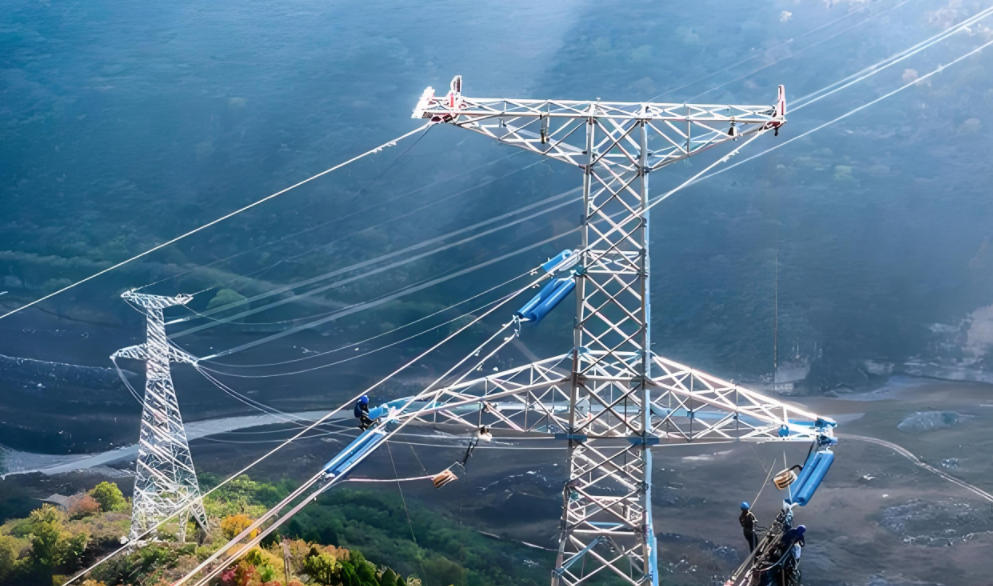
What Are Composite Insulators?
Composite insulators, also known as polymer insulators, are electrical insulators made from a combination of materials. They usually consist of a fiberglass reinforced core, a polymer housing made of silicone rubber or EPDM, and metal end fittings.
The fiberglass rod is the main load-bearing component of the composite insulator. It provides high mechanical strength and tensile resistance. The outer polymer housing provides electrical insulation and protects the internal core from environmental factors such as moisture, ultraviolet radiation, pollution, and chemical contamination. The metal end fittings are connected to the fiberglass core and provide the mechanical interface between the insulator, conductor, and tower structure.
Composite insulators are different from porcelain and glass insulators because they are lighter, more flexible, and more suitable for harsh operating conditions and high-voltage applications.
Evolution of Composite Insulators
Composite insulators are relatively new compared with traditional porcelain and glass insulators. Their development began in the middle of the 20th century as power systems required lighter, safer, and more pollution-resistant insulation solutions.
Porcelain insulators have been widely used for many years and have proven durability. However, they are heavy, brittle, and may break under mechanical impact or transportation stress. They are also vulnerable to pollution accumulation on the surface, which can increase the risk of flashover.
Glass insulators also have good insulation performance and can show visible signs of damage when broken, but they are still relatively heavy and may face similar contamination problems in polluted or coastal environments.
Composite insulators were developed to overcome these limitations. By combining a high-strength fiberglass core with a protective polymer housing, composite insulators provide strong mechanical performance, excellent electrical insulation, lower weight, and better resistance to pollution and weathering.
Main Advantages of Composite Insulators
1. Lightweight and Easy to Handle
Composite insulators are much lighter than porcelain or glass insulators. This makes transportation, handling, installation, and maintenance easier. Their lower weight also reduces the mechanical load on transmission towers, crossarms, and supporting structures, which may help reduce construction and installation costs.
2. High Mechanical Strength
The fiberglass reinforced core of a composite insulator provides excellent tensile strength and mechanical performance. This makes composite insulators suitable for transmission lines and substations that require high mechanical reliability, especially in areas affected by strong wind, ice, snow, vibration, or heavy conductor loads.
3. Strong Environmental Resistance
The polymer housing of composite insulators offers excellent resistance to ultraviolet radiation, moisture, weathering, and chemical contamination. This helps protect the internal fiberglass core and ensures long-term electrical and mechanical performance, even in harsh environments such as coastal regions, industrial areas, deserts, and polluted zones.
4. Hydrophobic Surface
Silicone rubber composite insulators have excellent hydrophobic properties, meaning their surface repels water. This helps reduce the formation of continuous conductive water films on the insulator surface, lowering the risk of leakage current and flashover.
The hydrophobic surface also supports a self-cleaning effect. Water droplets can roll off the surface and carry away dust, salt, and other contaminants, helping the insulator maintain stable electrical performance in wet or polluted environments.
5. Improved Safety
Composite insulators are less brittle than porcelain or glass insulators. They do not shatter easily, which reduces the risk of falling fragments and improves safety during installation, operation, and maintenance.
In addition, the polymer materials used in composite insulators provide good resistance to tracking and erosion, helping improve operational safety in high-voltage applications.
Applications of Composite Insulators
Composite insulators are widely used in high-voltage transmission lines, distribution systems, substations, railway electrification systems, and power equipment. They are especially suitable for areas with heavy pollution, high humidity, salt fog, strong wind, large temperature differences, or limited installation space.
Because of their lightweight structure and reliable performance, composite insulators are also commonly used in upgrading and replacing older porcelain or glass insulators in existing power networks.
Composite insulators represent an important development in electrical insulation technology. With advantages such as lightweight design, high mechanical strength, strong environmental resistance, hydrophobic surface performance, and improved safety, they have become a preferred solution for many modern power transmission and distribution systems.
As power grids continue to develop toward higher voltage levels, greater reliability, and cleaner energy transmission, composite insulators will play an increasingly important role in the future of power infrastructure.