Is surge arrester same as lightning arrester?
Surge Arrester vs. Lightning Arrester: What Is the Difference?
The terms surge arrester and lightning arrester are often used interchangeably in electrical systems, which can cause confusion. Although both devices are used to protect electrical equipment from overvoltage, they differ in function, design, application, and protection range.
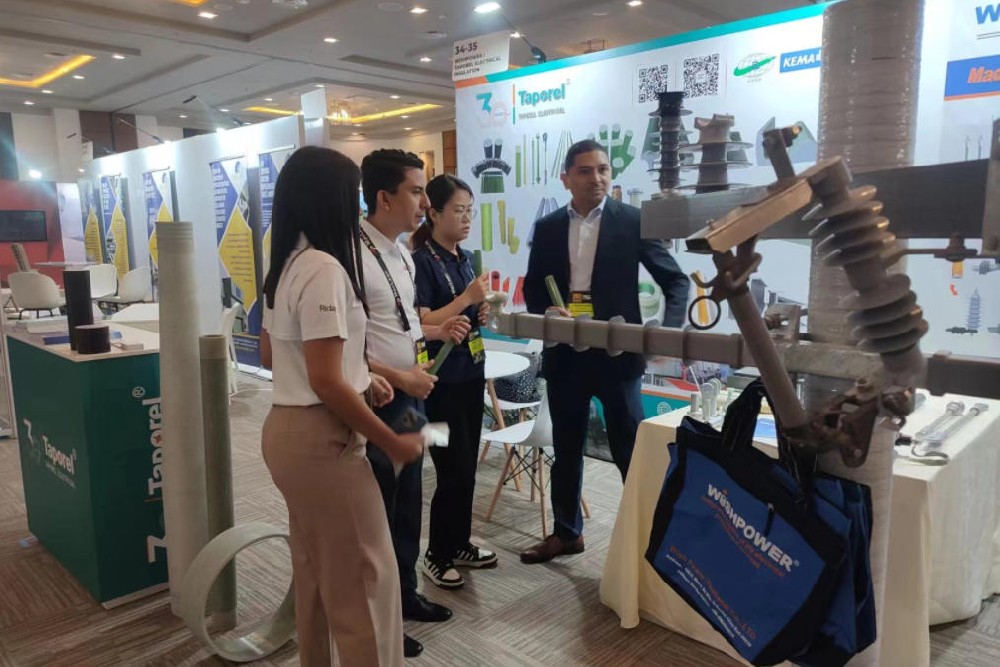
What Is a Surge Arrester?
A surge arrester is a protective device used to protect electrical systems from excessive voltage surges caused by different sources, such as switching operations, system faults, equipment malfunctions, and lightning-related overvoltage.
Surge arresters are commonly installed in high-voltage transmission systems, distribution networks, and substations. They help protect important electrical equipment, including transformers, circuit breakers, switchgear, cables, and other power system components.
The main purpose of a surge arrester is to limit transient overvoltage and safely discharge surge energy to the ground, preventing insulation failure and equipment damage.
What Is a Lightning Arrester?
A lightning arrester is designed mainly to protect electrical systems and structures from the impact of lightning strikes. It is usually installed on transmission towers, buildings, substations, or other exposed structures where lightning risk is high.
The main function of a lightning arrester is to provide a safe path for lightning current to flow into the ground. By doing this, it prevents lightning energy from entering power lines, damaging equipment, or endangering the electrical system.
Lightning Arrester vs. Surge Arrester
1. Function
The main difference between a surge arrester and a lightning arrester is their function.
Surge arresters are designed to protect against different types of overvoltage surges, including switching surges, temporary faults, equipment failures, and lightning-induced surges.
Lightning arresters are mainly designed to handle the extremely high energy caused by direct lightning strikes. Their function is more focused on diverting lightning current safely to the ground.
2. Design
Surge arresters usually use metal oxide varistors, also known as MOVs, as the main protective element. MOV technology allows surge arresters to respond quickly to voltage spikes and limit overvoltage within a safe range.
Lightning arresters are often simpler in design and may use spark gaps, grounding paths, or similar structures to discharge lightning energy. Their design focuses on safely conducting high lightning current into the ground.
3. Applications
Surge arresters are widely used in power grids, including high-voltage transmission lines, substations, distribution circuits, transformers, switchgear, and industrial electrical systems. They are suitable for protecting equipment from many kinds of overvoltage events.
Lightning arresters are mainly used in areas with high lightning exposure, such as transmission towers, substations, tall buildings, and outdoor electrical structures. They are installed to prevent direct lightning strikes from entering the electrical system.
4. Protection Range
Surge arresters provide broader protection against different overvoltage conditions. They can handle smaller and more frequent surges caused by switching operations, system disturbances, and indirect lightning effects.
Lightning arresters provide more specific protection against direct lightning strikes. They are designed to deal with extremely high lightning voltage and current, but they may not provide the same level of protection against other types of system overvoltage.
Why Is It Important to Differentiate Between Surge Arresters and Lightning Arresters?
Understanding the difference between surge arresters and lightning arresters is important because each device is designed for a specific protection purpose.
Using the wrong type of arrester may result in insufficient protection and possible equipment damage. For example, using a lightning arrester to protect high-voltage equipment from switching surges may not provide effective protection because the device is not designed for that operating condition.
Similarly, relying only on surge arresters in areas with frequent direct lightning strikes may leave the system exposed to severe lightning damage. Each protective device has its own function, and proper selection helps improve the safety and reliability of the power system.
Is a Surge Arrester the Same as a Lightning Arrester?
A surge arrester and a lightning arrester are not exactly the same. Although both are used for overvoltage protection, their protection focus is different.
A surge arrester provides wider protection against various overvoltage surges in power systems, including switching surges, fault-related surges, and lightning-induced surges.
A lightning arrester is mainly used to protect against direct lightning strikes by conducting lightning current safely to the ground.
Conclusion
Surge arresters and lightning arresters both play important roles in electrical protection systems. Surge arresters are used for broad overvoltage protection in transmission lines, substations, distribution systems, and electrical equipment. Lightning arresters are mainly used to protect structures and power systems from direct lightning strikes.
Understanding the difference between these two devices helps engineers, operators, and maintenance teams choose the correct protection solution. Proper selection can reduce equipment damage, minimize power outages, improve system safety, and support long-term reliability in power transmission and distribution networks.