What is the difference between porcelain and composite insulators?
Porcelain Insulators vs. Composite Insulators: Key Differences in Power Systems
In power systems, insulators are used to support conductors and prevent electrical leakage. Porcelain insulators and composite insulators are two common types of insulators, but they differ significantly in materials, weight, mechanical performance, electrical performance, maintenance requirements, and application environments.
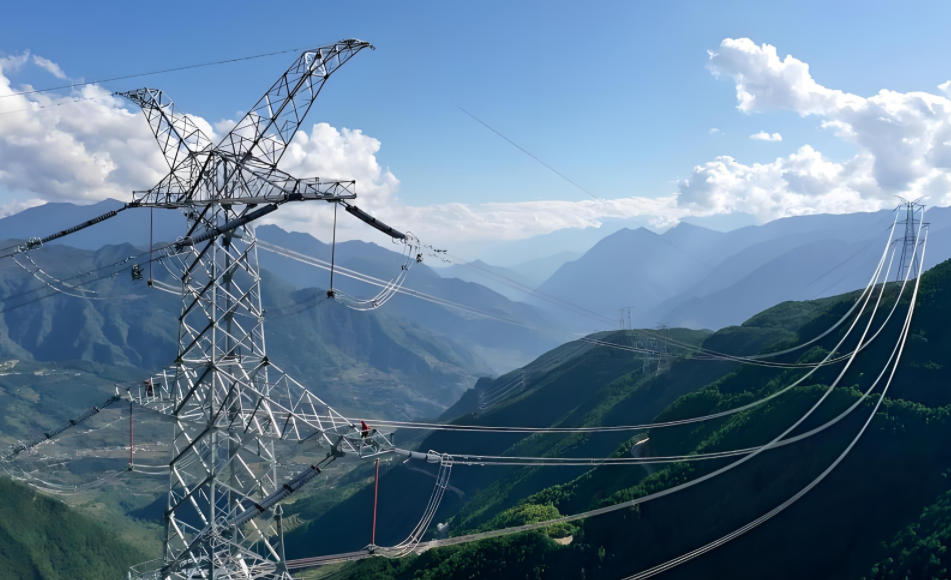
What Is the Difference Between Porcelain and Composite Insulators?
1. Materials
Porcelain insulators are made from ceramic materials such as clay, quartz, and feldspar. These materials are fired at high temperatures to form a dense and rigid ceramic structure. Composite insulators use an FRP rod, also known as a fiber-reinforced polymer core, as the main load-bearing body. The outer sheath is usually made of polymer materials such as silicone rubber or EPDM.
2. Weight and Handling
Porcelain insulators are relatively heavy because of the high density of ceramic materials. Their weight can increase transportation difficulty and make installation more labor-intensive. Composite insulators are much lighter than porcelain insulators, making them easier to transport, handle, and install, especially in large-scale transmission line projects.
3. Mechanical Strength and Durability
Porcelain insulators have good mechanical strength and can withstand large loads and electrical stress. However, porcelain is rigid and brittle, which means it may crack or break when subjected to strong impact or improper handling. Composite insulators are strong and more flexible. They are less brittle and can better absorb mechanical stress, vibration, and dynamic loads.
4. Electrical Performance
Porcelain insulators provide stable electrical performance under normal operating conditions. However, their surface can accumulate pollution, dust, salt, or industrial contaminants, which may increase the risk of flashover if regular cleaning is not performed. Composite insulators perform better in polluted areas because silicone rubber surfaces have excellent hydrophobic properties. This helps repel water, reduce contamination buildup, maintain insulation performance, and lower the risk of flashover.
5. Durability and Lifespan
Porcelain insulators are highly durable and can last for several decades when properly maintained. They have a long history of use in power transmission and distribution systems. Composite insulators are also strong and reliable, but their service life may vary depending on environmental conditions, material quality, UV exposure, and operating stress. With continuous improvements in polymer materials, the durability and lifespan of composite insulators are continuing to improve.
6. Maintenance Requirements
Porcelain insulators usually require regular inspection, cleaning, and maintenance, especially in polluted, coastal, or industrial areas. In some cases, they may need washing or anti-pollution coating to reduce flashover risks. Composite insulators generally require less maintenance because of their hydrophobic and self-cleaning surface properties. This can reduce cleaning frequency, labor costs, and long-term maintenance expenses.
7. Cost Considerations
Porcelain insulators usually have a lower initial purchase cost compared with composite insulators. However, their long-term operating cost may be higher due to transportation, installation, cleaning, and maintenance requirements. Composite insulators may have a higher initial cost, but they offer advantages such as lighter weight, easier installation, better pollution performance, and lower maintenance needs, which can reduce the total lifecycle cost.
8. Application Areas
Porcelain insulators are widely used in transmission lines, distribution systems, and substations. They are suitable for many conventional power system applications where mechanical stability and long service history are important. Composite insulators are increasingly used in urban areas, coastal regions, heavily polluted environments, high-voltage transmission lines, and areas where lightweight design and low maintenance are preferred.
Both porcelain insulators and composite insulators have their own advantages depending on the application environment. Porcelain insulators are valued for their durability, stable performance, and relatively low initial cost. Composite insulators provide better performance in harsh environments, especially in polluted, coastal, or high-contamination areas, while also offering lighter weight and lower maintenance requirements. When selecting insulators, engineers and utilities should consider environmental conditions, mechanical load requirements, electrical performance, installation difficulty, maintenance cost, and overall lifecycle cost.