What is the difference between a suspension and a strain insulator?
Suspension Insulators vs. Strain Insulators: What Is the Difference?
Insulators play an essential role in power transmission and distribution systems. They support electrical conductors, maintain safe electrical clearance, and prevent current leakage between conductors and supporting structures. Among different types of high-voltage insulators, suspension insulators and strain insulators are two commonly used products in overhead power lines.
What Is a Suspension Insulator?
A suspension insulator is made up of one or more insulator units connected in series to form an insulator string. The string is usually suspended from the crossarm of a transmission tower, and the conductor is attached to the lower end of the insulator string.
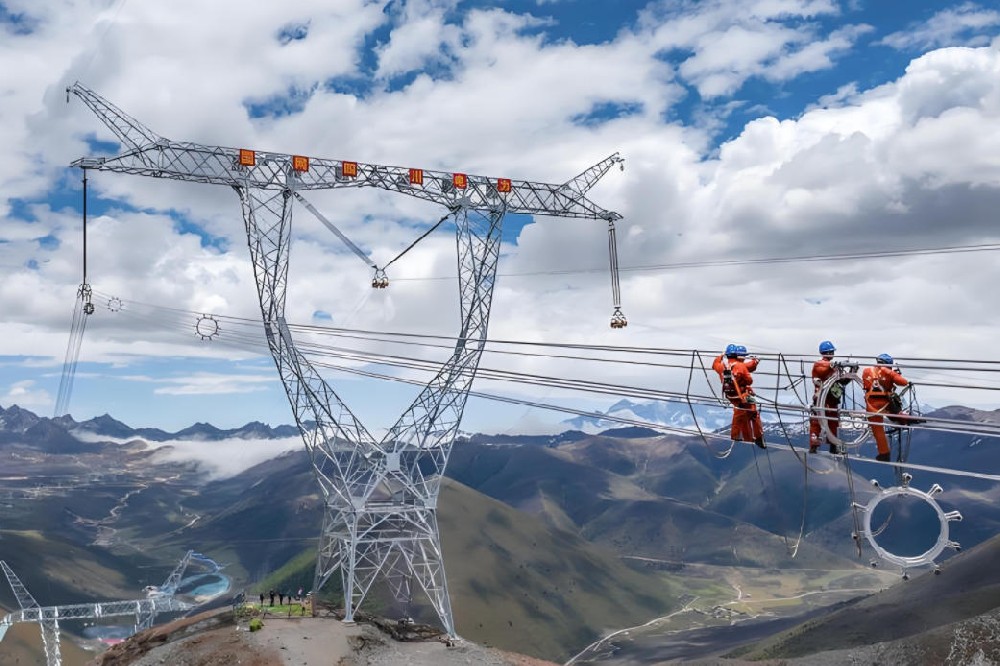
The main function of a suspension insulator is to support the conductor while providing electrical insulation between the live conductor and the grounded tower or pole structure. Suspension insulators are widely used in high-voltage transmission lines because the number of insulator units can be adjusted according to the voltage level and insulation requirements.
What Is a Strain Insulator?
A strain insulator is designed to withstand the mechanical tension of conductors in transmission and distribution lines. It is usually installed at locations where the conductor is under high tensile stress, such as line terminals, angle towers, dead-end structures, long spans, and river crossings.
Unlike suspension insulators, strain insulators are often installed parallel to the conductor. Their main purpose is to bear the pulling force of the conductor while maintaining electrical insulation. They help prevent excessive conductor sag and ensure the mechanical stability of the power line.
Suspension Insulators vs. Strain Insulators
1. Mechanical Function and Load Handling
The main difference between suspension insulators and strain insulators lies in their mechanical function.
Suspension insulators mainly support the vertical load of the conductor. The conductor is suspended from the insulator string, and the insulator provides both mechanical support and electrical insulation. Suspension insulators are suitable for straight-line sections where the mechanical tension is relatively moderate.
Strain insulators are designed to handle high tensile loads. They are used where conductors experience strong mechanical tension, such as at the end of a line, at corners, or across long spans. These insulators help maintain proper conductor tension and prevent line instability caused by sagging or excessive mechanical stress.
2. Design and Configuration
Suspension insulators usually consist of several disc-shaped units made from porcelain, glass, or composite materials. These units are connected in series to form a vertical string. The insulation level can be increased by adding more discs, making suspension insulators suitable for different voltage levels.
Strain insulators may use similar disc units, but their arrangement is different. They are usually installed horizontally or in a tension configuration so that they can withstand pulling forces along the conductor direction. Depending on the mechanical load, a strain insulator assembly may include one or more parallel strings to provide sufficient tensile strength.
3. Electrical Performance
Suspension insulators provide excellent electrical insulation because they are arranged in series and maintain sufficient creepage distance and clearance. They help prevent current leakage from the conductor to the tower or pole, even under high-voltage operating conditions.
Strain insulators also provide reliable electrical insulation while bearing strong mechanical loads. In high-voltage and harsh environmental conditions, strain insulators may be used together with additional insulation measures to ensure stable electrical performance, especially in polluted, coastal, or severe weather areas.
4. Applications and Use Cases
Suspension insulators are commonly used in straight sections of high-voltage transmission lines. They are suitable for areas where the line direction does not change significantly and where mechanical tension is not the main concern. They are also used in distribution systems in both urban and rural networks.
Strain insulators are used in locations where mechanical stress is high. Typical applications include terminal towers, angle towers, dead-end structures, line bends, long-span crossings, river crossings, and areas with strong wind or ice loads. They are essential for maintaining conductor tension and ensuring the mechanical stability of overhead power lines.
What Is the Difference Between Suspension and Strain Insulators?
Suspension insulators and strain insulators differ mainly in their mechanical roles. Suspension insulators are used to support the vertical load of conductors and provide electrical insulation in straight-line sections. Strain insulators are designed to withstand high mechanical tension and are used at line terminals, corners, long spans, and other high-stress locations.
Both suspension insulators and strain insulators are important components in overhead power transmission and distribution systems. Suspension insulators provide flexible conductor support and reliable insulation in straight-line sections, while strain insulators maintain conductor tension and stability in high-stress areas. Choosing the right insulator type depends on the line structure, voltage level, mechanical load, span length, environmental conditions, and installation requirements.